
By Dr. [Placeholder Name B], Constitutional Specialist
August 12, 2026
9 min read
Hair is often considered a reflection of our overall health and vitality. Experiencing excessive hair fall, thinning, or scalp issues can be distressing, affecting self-confidence and emotional well-being. While many seek quick solutions in specialized shampoos or topical oils, hair health is closely linked to internal systemic balance.
Hair fall is often an outward sign of nutritional deficiencies, hormonal imbalances, chronic stress, or metabolic changes. Homeopathy takes a holistic, constitutional approach, working to identify and address the root causes of hair shedding naturally to support healthy hair growth.
Through an online homeopathy consultation, patients can connect with verified specialists to evaluate their hair health and receive a customized care plan.
To understand hair fall, it is helpful to look at the natural hair growth cycle, which consists of three distinct phases:
Anagen (Growth Phase): The active phase where hair grows from the follicle. This stage lasts between two and seven years.
Catagen (Transition Phase): A brief phase lasting two to three weeks where the hair follicle shrinks and growth slows.
Telogen (Resting Phase): A phase lasting three to four months where the hair rests before naturally shedding, allowing a new strand to grow in its place.
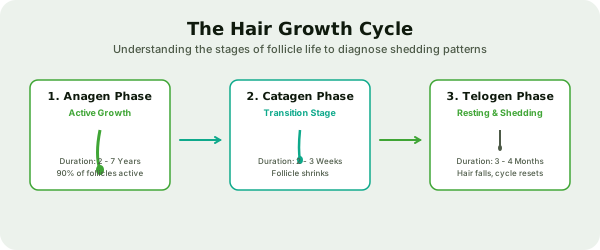 Hair Growth Cycle Diagram showing Anagen, Catagen, and Telogen phases.
Hair fall can be triggered by a variety of internal and external factors. Identifying these causes is essential for designing an effective treatment plan.
Hair follicles require essential vitamins and minerals to grow. Deficiencies in iron (ferritin), vitamin D, vitamin B12, zinc, and protein can weaken the hair shaft and lead to premature shedding (telogen effluvium).
Hormonal fluctuations are a common trigger for hair thinning. Conditions like thyroid disorders (hypothyroidism/hyperthyroidism), PCOS, pregnancy, childbirth, and menopause can affect the hair growth cycle, leading to thinning or shedding.
Significant emotional or physical stress can push a large number of hair follicles prematurely into the resting (telogen) phase, resulting in noticeable hair shedding a few months after the stressful event.
Chronic scalp conditions like seborrheic dermatitis, dandruff, psoriasis, or fungal infections can inflame the follicles, weakening the hair roots and contributing to hair fall.
Poor circulation, sluggish metabolism, or underlying chronic illnesses can limit the supply of oxygen and nutrients to the hair follicles, affecting their growth potential.
A family history of pattern baldness (androgenetic alopecia) makes follicles more sensitive to hormonal changes, leading to gradual hair thinning over time.
Exposure to pollution, hard water, chemical treatments, heat styling, and harsh hair products can damage the hair structure, making it prone to breakage.
Conventional approaches to hair fall often involve topical minoxidil, oral medications (like finasteride), or cosmetic treatments like PRP therapy or hair transplants. While these can support hair growth, they may carry side effects (such as scalp irritation, headache, or sexual dysfunction for certain medications), and hair shedding can recur once treatments are discontinued.
Homeopathy aims to provide a safe, non-invasive alternative by addressing the internal factors that affect hair health, supporting lasting recovery.
In homeopathy, hair fall is not viewed as a standalone issue but as a symptom of an underlying systemic imbalance. A homeopathic doctor evaluates the patient's complete physical and mental profile to select a constitutional remedy.
This includes analyzing the pattern of hair loss (patchy, diffuse, or localized), scalp condition (oily, dry, itchy, or dandruff-prone), dietary habits, stress levels, and family medical history.
Homeopathy uses natural remedies to support hair and scalp health. General categories include:
Remedies for Diffuse Hair Fall: Selected to manage general hair shedding and thinning.
Remedies for Patchy Hair Loss: Used in cases like alopecia areata to support hair regrowth in specific areas.
Remedies for Dandruff & Scalp Health: Aimed at calming scalp irritation, flaking, or excess oiliness.
Constitutional Remedies: Prescribed to address underlying hormonal, metabolic, or stress-related factors.
All remedies are selected based on the patient's individual symptom profile to ensure safe, customized care.
A detailed review of your scalp condition—checking for oiliness, dryness, itching, or inflammation—helps your practitioner identify the appropriate therapeutic approach, ensuring the remedies address both local and systemic health factors.
Supporting hair health requires ensuring adequate intake of essential nutrients. Your practitioner may recommend dietary adjustments or supplements to address iron, vitamin D, zinc, or protein deficiencies alongside your homeopathic remedies.
If thyroid imbalances or PCOS are contributing to hair thinning, your treatment plan will focus on balancing these underlying endocrine factors to support healthy follicle function naturally.
Healthy hair care practices can prevent damage: use mild, sulfate-free shampoos, avoid tight hairstyles that pull on the hair roots, minimize heat styling and chemical treatments, and gently massage the scalp to support local blood circulation.
Incorporate nutrient-dense foods into your diet, including leafy greens, nuts, seeds, eggs, fish, and berries. These foods provide the vitamins, minerals, and antioxidants needed to support healthy hair growth.
Since stress can trigger hair shedding, incorporating stress-reduction techniques—such as regular exercise, yoga, meditation, or ensuring adequate sleep—is an important part of a holistic hair care plan.
Poor digestion can limit the absorption of essential nutrients needed for hair growth. Addressing digestive issues like acidity, bloating, or irregular bowel habits can support overall nutrient uptake and benefit hair health.
Maintain a balanced lifestyle by staying active, staying hydrated, getting regular sleep, and scheduling follow-up consultations to keep your health plan on track.
Hair growth is a slow process, and patience is essential. A typical homeopathic hair fall plan requires three to six months to show noticeable results. In the first few weeks, the focus is on reducing excessive shedding. Over the following months, you can expect to see gradual improvements in hair texture, scalp health, and hair density.
Regular consultations allow your doctor to track your progress and adjust remedies as your hair health improves.
Homeopathy addresses hair loss across different demographics: managing male pattern baldness, supporting women experiencing postpartum hair shedding, and addressing hair thinning during menopausal transitions safely without side effects.
A comprehensive plan combines individualized homeopathic remedies with proper scalp hygiene, a nutrient-rich diet, and healthy stress management to achieve optimal results.
[Placeholder Case Study G]: A 29-year-old patient experienced severe hair fall due to stress and vitamin D deficiency. A treatment plan combining a constitutional remedy with vitamin D support resulted in a significant reduction in hair shedding within ten weeks.
[Placeholder Case Study H]: A 38-year-old patient managing thyroid-related hair thinning achieved improved hair texture and reduced shedding after five months of consistent homeopathic care.
Preventive measures include early identification of shedding patterns, maintaining a balanced diet, practicing gentle hair care, and scheduling regular consultations to maintain systemic health.
Constitutional homeopathy provides a safe, gentle, and holistic approach to managing hair fall. By addressing the internal causes of shedding and supporting scalp health, it helps you achieve lasting hair wellness.
This article is for educational purposes only and is not a substitute for professional medical advice. Please consult a qualified homeopathic doctor before starting any treatment.
This article is for educational purposes only and is not a substitute for professional medical advice. Please consult a qualified homeopathic doctor before starting any treatment.
Book a secure virtual consultation with verified practitioners.

Learn the core principles of homeopathy, the law of similars, and how constitutional remedies trigger natural body recovery.

How telemedicine is making natural homeopathy care accessible and convenient for families across India without travel stress.