
By Dr. Arun Kumar, MD (Homeopathy)
July 30, 2026
8 min read
Migraines are more than just severe headaches. They are complex neurological events characterized by throbbing pain, usually on one side of the head, accompanied by symptoms like nausea, vomiting, and extreme sensitivity to light and sound. For chronic sufferers, migraines can disrupt daily routines, affect work productivity, and reduce overall quality of life.
Managing migraines effectively requires looking beyond temporary pain relief. While conventional pain relievers provide quick comfort, they do not prevent future attacks and can sometimes lead to medication-overuse headaches. Homeopathy offers a preventive, constitutional approach, aiming to reduce the frequency, intensity, and duration of migraine attacks naturally.
Through an online homeopathy consultation, patients can connect with experienced practitioners to identify their unique symptom patterns and receive customized care.
Migraine attacks are often set off by specific triggers. Identifying these factors is an important part of managing the condition:
Stress & Fatigue: Emotional tension and irregular sleep patterns are common triggers.
Dietary Factors: Certain foods (like aged cheese, processed meats, or chocolate) and caffeine can initiate attacks.
Environmental Stimuli: Bright lights, loud noises, strong smells, and changes in weather can affect sensitive systems.
Hormonal Changes: Fluctuations in estrogen levels during menstruation, pregnancy, or menopause often trigger migraines in women.
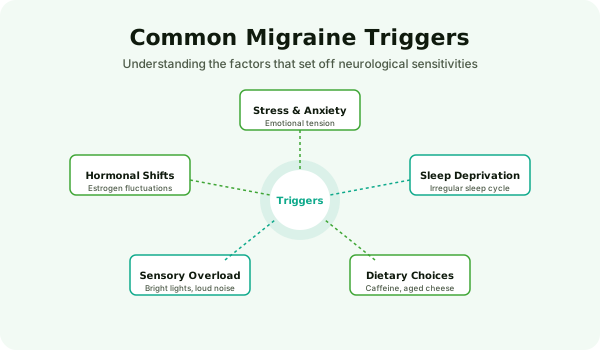 Migraine Triggers Diagram showing Stress, Sleep Deprivation, Dietary Choices, Sensory Overload, and Hormonal Shifts.
Conventional treatment for migraines generally falls into two categories: acute pain relief and preventive medications. Pain relievers (such as NSAIDs or triptans) can help manage an active attack but do not address the underlying causes. Long-term use of preventive medications (like beta-blockers or antidepressants) can sometimes cause side effects like fatigue, weight gain, or mood changes.
Additionally, frequent use of acute pain medications can lead to rebound headaches, making migraine management more challenging. This leads many patients to seek safe, non-habit-forming alternatives.
Homeopathy views migraines as an expression of an underlying constitutional sensitivity. Rather than focusing only on the head pain, a homeopathic doctor analyzes the patient's complete physical and mental state.
The selection of a remedy is guided by the unique way the migraine presents in each patient. This includes evaluating the location of the pain (right-sided vs. left-sided), the character of the pain (throbbing, splitting, stitching), what makes the pain better or worse, and any accompanying symptoms like visual disturbances (aura).
Homeopathic migraine management utilizes two main categories of remedies:
Acute Remedies: Prescribed to help manage symptoms during an active migraine attack, focusing on quick relief.
Constitutional Remedies: Selected based on the patient's complete health history and temperament to strengthen the system and prevent future attacks.
These remedies are prepared from natural substances and are chosen to match the individual's specific symptom profile.
Homeopathy recognizes that different types of migraines require distinct therapeutic approaches:
Migraine with Aura: Focuses on remedies that address pre-headache sensory symptoms, such as flashing lights or blind spots.
Hormonal Migraines: Focuses on balancing endocrine fluctuations, particularly during menstrual cycles.
Gastric Migraines: Aimed at cases where headaches are accompanied by significant nausea, acidity, or digestive issues.
To find the right remedy, a homeopath evaluates specific symptom details, such as:
Pain character: Throbbing, shooting, heavy, or congestive.
Modalities: Whether the pain is relieved by pressure, cold applications, rest in a dark room, or worsened by movement and light.
Time patterns: Headaches that follow sun patterns (starting at sunrise and peaking at noon) or occur at specific times of day.
During your consultation, keeping a migraine diary can be helpful. Record the date and time of attacks, potential triggers, symptom details, and what provided relief. This information helps your doctor identify your unique pattern and select the most appropriate remedy.
Alongside homeopathic treatment, incorporating healthy lifestyle habits can help reduce migraine frequency:
Consistent Sleep: Maintain regular sleep and wake times, even on weekends.
Hydration: Stay well-hydrated throughout the day.
Dietary Awareness: Avoid known food triggers and maintain regular meal times to prevent blood sugar drops.
Stress is a primary trigger for many migraine sufferers. Homeopathy addresses this connection by selecting remedies that match the patient's emotional response to stress—whether they experience anxiety, irritability, or withdrawal—helping to build emotional resilience alongside physical relief.
Chronic migraines require a systematic treatment plan. While acute remedies can provide relief during an attack, reducing the frequency of migraines typically requires three to six months of constitutional care.
As treatment progresses, patients often report that their migraine attacks become less severe, shorter in duration, and occur less frequently.
Homeopathic remedies can be used safely alongside existing conventional treatments. If you are taking preventive medications prescribed by a neurologist, do not stop them suddenly. Your homeopathic practitioner will coordinate with your overall care plan, aiming to reduce dependency on pain relievers safely as your condition improves.
[Placeholder Case Study C]: A 34-year-old patient experienced weekly migraines with severe light sensitivity and nausea for five years. After starting a constitutional homeopathic plan, the frequency of her attacks reduced to once a month within twelve weeks, and the pain intensity became manageable without strong analgesics.
[Placeholder Case Study D]: A 28-year-old patient suffered from hormonal migraines before her periods. A personalized treatment plan focusing on balancing endocrine triggers resulted in a significant reduction in menstrual headaches over a four-month period.
A comprehensive prevention plan includes managing stress, maintaining regular physical activity, ensuring proper ergonomics at your workspace to prevent neck strain, and scheduling timely follow-ups with your practitioner to keep your system balanced.
Constitutional homeopathy offers a safe, personalized, and long-term approach to managing migraines. By addressing individual triggers and strengthening your body's defenses, it helps you achieve lasting relief and improve your quality of life.
This article is for educational purposes only and is not a substitute for professional medical advice. Please consult a qualified homeopathic doctor before starting any treatment.
This article is for educational purposes only and is not a substitute for professional medical advice. Please consult a qualified homeopathic doctor before starting any treatment.
Book a secure virtual consultation with verified practitioners.

Learn the core principles of homeopathy, the law of similars, and how constitutional remedies trigger natural body recovery.

How telemedicine is making natural homeopathy care accessible and convenient for families across India without travel stress.